Winterization Tips
Avoid Equipment Downtime
Universal Fleet Winterization Strategies
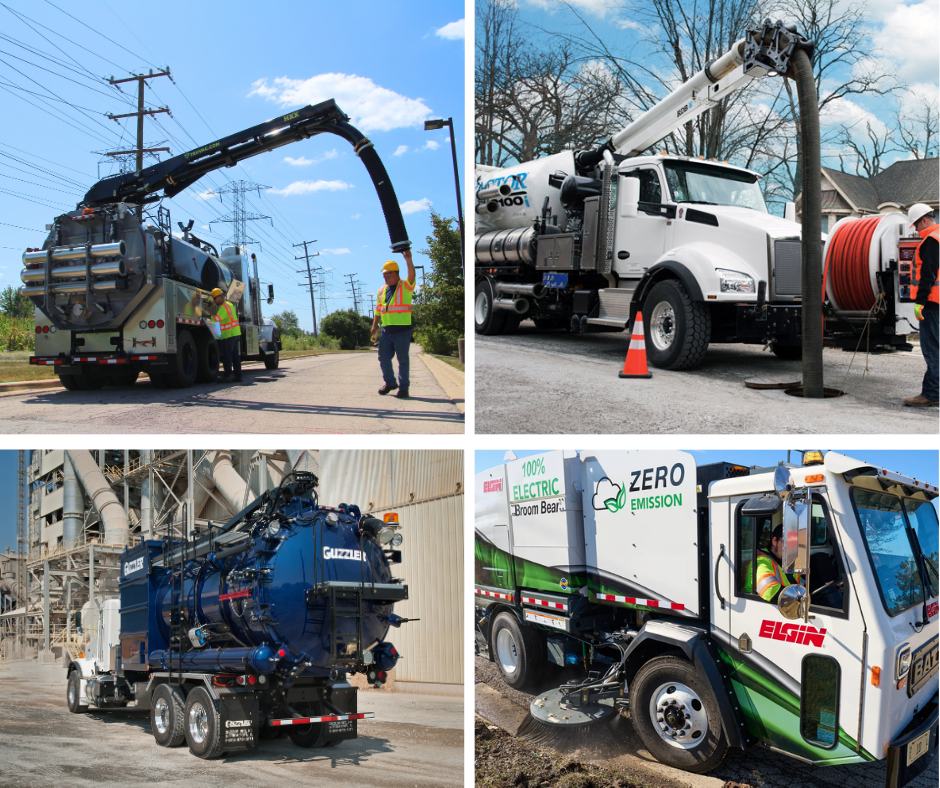
Successful municipal equipment winter maintenance programs implement comprehensive strategies that protect entire fleets from cold weather damage. Essential preparations include checking coolant systems and using recommended antifreeze mixtures for the lowest expected operating temperatures, verifying all water heaters and heating systems function properly, and switching to hydraulic oils and lubricants specifically formulated for cold weather performance.
Battery maintenance becomes crucial during winter operations, requiring regular cleaning of cables and terminals, while fuel filter replacement schedules should be increased to prevent cold weather fuel system problems. Equipment washing programs must be intensified during winter months to prevent salt and corrosive material buildup that can cause expensive rust damage and component wear.
Daily Winter Operations Protocol
Effective daily winter operations begin with comprehensive pre-operation checks ensuring all water systems are heated and properly insulated, hydraulic and transmission fluids reach operating temperature, and all airlines and hoses are inspected for cold weather damage. During operation, continuous monitoring of water system temperatures, maintaining circulation in transport mode, and using heated tool storage compartments ensures reliable performance throughout the workday.
End-of-shift procedures become critical for preventing expensive freeze damage, requiring complete drainage of all water systems or flushing with glycol solutions, using air purge systems to clear water lines, and connecting equipment to block heaters when outdoor storage is necessary. These systematic approaches prevent the majority of cold weather equipment failures while extending overall equipment lifespan.
Street Sweeper Winter Maintenance
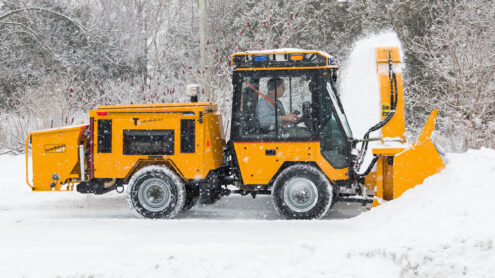
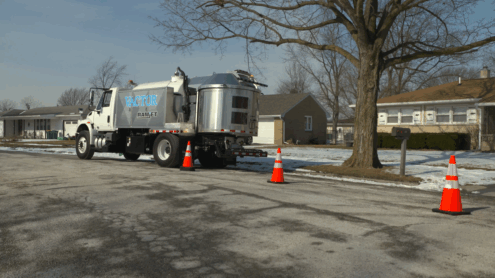
Street sweeper winterization requires careful attention to debris handling systems and water management components that face increased stress from road salt, sand, and harsh winter conditions. The brushing systems must be inspected thoroughly before winter operations begin, as worn brushes can cause excessive wear on street surfaces when dealing with frozen debris and abrasive winter materials. It’s important to note that many operators choose not to sweep during winter months to prevent equipment damage from extreme conditions.
Critical street sweeper winter preparations include servicing the dust suppression water systems with proper antifreeze mixtures, ensuring conveyor systems maintain proper belt tension in cold temperatures, and verifying that air filtration systems can handle the increased particulate matter common during winter road maintenance operations. When storing equipment outside, blow out all the water lines to prevent freeze damage to pumps and plumbing components.
Daily operations require allowing hydraulic systems adequate warm-up time before engaging brushes and conveyors, while monitoring water spray systems continuously to prevent mid-operation freezing that can damage expensive pump components.
Hydrovac Equipment Cold Weather Preparation
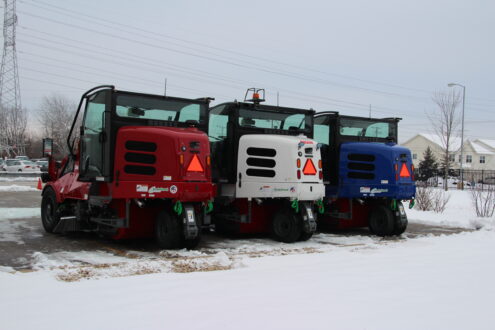
Hydrovac winterization presents unique challenges due to the equipment’s dual water and vacuum systems that must function reliably in temperatures as low as -40°F. These powerful excavation units require comprehensive heating systems including heated water tanks with circulation systems, insulated water lines throughout the entire hydraulic network, and heated debris tanks to prevent excavated material from freezing during transport and offloading operations.
Advanced hydrovac trucks feature onboard water heating systems capable of generating up to 800,000 BTUs, allowing operators to preheat water tanks and maintain optimal excavation temperatures even in extreme conditions. For frozen boom extensions, operators can circulate heated water through boom lines to quickly restore full operational capability.
Sewer Equipment Winter Readiness
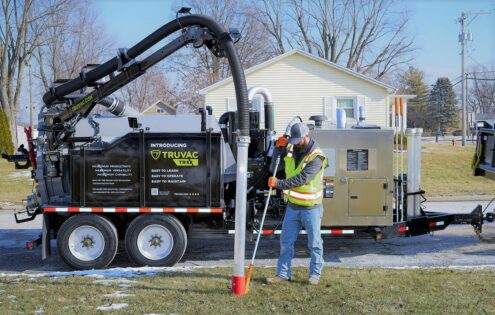
Sewer cleaning equipment winterization requires specialized attention to high-pressure water systems and hose management in underground environments where temperatures can fluctuate dramatically. Jetter trucks must maintain water temperatures of 140°F or higher for effective cleaning performance, necessitating robust heating systems and insulated hose storage compartments.
Professional sewer equipment winter preparation includes servicing high-pressure pumps with cold-weather lubricants, installing heat trace systems on all water lines, and ensuring hose reel heating systems function properly during transport and storage. The vacuum systems require cold-weather oils and regular monitoring to maintain suction performance when handling partially frozen debris and materials from underground cleaning operations.
Cold Weather Equipment Investment Protection
Professional equipment winterization represents a smart investment in fleet longevity and operational reliability. Properly winterized equipment experiences fewer breakdowns, requires less emergency repair service, and maintains higher resale values compared to equipment that experiences repeated cold weather damage. The comprehensive approach to winter preparation ensures maximum equipment availability when communities depend on these essential services for public safety and infrastructure maintenance.
This proactive approach to cold weather preparation protects valuable equipment investments and ensures reliable service delivery throughout the demanding winter operational season.
Professional Equipment Winterization Services
Don’t risk costly cold-weather equipment failures. Our certified technicians provide comprehensive winterization services for street sweepers, hydrovac trucks, sewer equipment, and vacuum excavators. Contact us today to schedule your fleet’s winter preparation and ensure reliable performance throughout the challenging winter season.
Failure to properly winterize the unit can cause severe damage to critical components. Please refer to the owner’s manual for proper procedures for your specific unit. JJE also offers training services, which can include winterization training for operators on their specific equipment.